7 Proven Ways to Handle Night Terrors in Toddlers Without Losing Sleep
Night terrors in toddlers are episodes of intense fear during sleep that can involve screaming, thrashing, or sitting up with a panicked look — but your child won’t be fully awake. Unlike nightmares, they usually don’t remember the episode. The best approach is to stay calm, ensure your child’s safety, and focus on prevention through a steady bedtime routine and adequate sleep.
Heads up: This post may include affiliate links. As an Amazon Associate, I earn from qualifying purchases—at no extra cost to you. Full privacy policy and disclosure here.
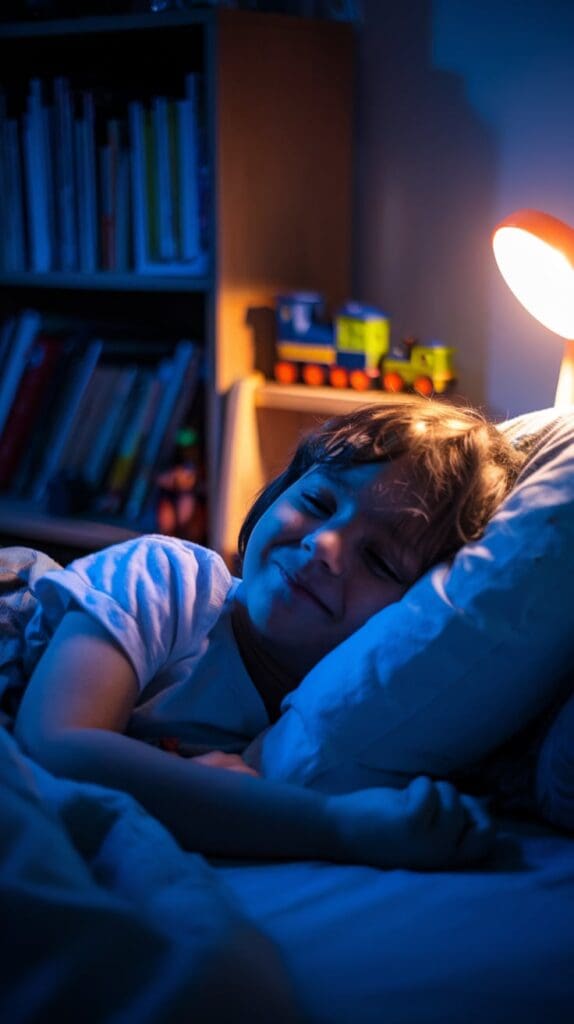
Understanding Night Terrors in Toddlers
Night terrors, also called sleep terrors, are a type of parasomnia. They happen during the non-REM (deep sleep) cycle, usually within the first few hours after falling asleep.
Common symptoms include:
- Sudden screaming or crying
- Thrashing, kicking, or sitting up suddenly
- Rapid breathing or sweating
- Unresponsive to comfort
- Eyes open but appearing “glazed” or disoriented
- No memory of the event in the morning
Night terrors in toddlers are not harmful, but they are incredibly unsettling to witness.
Why Do Toddlers Get Night Terrors?
There are several causes and contributing factors:
Brain Development
Toddlers’ brains are still learning how to regulate the sleep cycle, especially the transition from deep sleep to lighter stages.
Overtiredness
Being overly tired is one of the most common triggers of night terrors in toddlers. Skipped naps, late bedtimes, or inconsistent sleep schedules can all contribute.
Stress or Anxiety
Big life changes (new sibling, potty training, starting daycare) can increase emotional stress, which may trigger night terrors.
Family History
Night terrors tend to run in families. If you or your partner experienced them, your child might be more likely to have them too.
Sleep Disorders or Conditions
Sleep apnea, restless leg syndrome, or fevers can sometimes lead to sleep disturbances like night terrors.
What to Do During a Night Terror
Here’s how to respond in the moment:
- Stay calm. Your child may look scared, but they’re not fully aware.
- Don’t try to wake them up. This can make things worse or cause confusion.
- Ensure safety. Gently guide them back down if they’re sitting or standing.
- Speak softly. Offer quiet reassurance without overstimulating.
- Wait it out. Most night terrors last 1–10 minutes (though it feels longer!).
Remember: Your child won’t remember the episode. They’ll likely return to sleep on their own afterward.
How to Prevent Night Terrors in Toddlers
Prevention starts with building healthy sleep habits and minimizing stress.
️ 1. Create a Consistent Bedtime Routine
Toddlers thrive on predictability. A calming routine can include:
- A warm bath
- Storytime
- Gentle cuddles
- White noise machine
- Dim lighting
Affiliate pick: Sound machine with night light – helps toddlers fall and stay asleep.
⏰ 2. Prioritize Sleep Schedules
Aim for:
- 11–14 hours of total sleep (including naps)
- Same bedtime and wake time each day
- Early bedtime (before 8 PM) if they seem overtired
3. Reduce Stress Before Bed
If your toddler is anxious or overstimulated, try:
- Gentle yoga stretches
- Drawing or journaling (for older toddlers)
- Soft lullabies or quiet play
- Talking about their day calmly before lights out
Affiliate pick: Llama Llama Nighty Night board book – a calming bedtime story favorite.
4. Watch Food and Drink
Limit sugar, caffeine (even hidden in chocolate), and heavy meals close to bedtime.
5. Avoid Screens Before Bed
Blue light from tablets and TVs can delay melatonin production, making sleep disruptions more likely.
6. Create a Sleep-Friendly Environment
- Comfortable bedding
- Nightlight (if helpful)
- Temperature control (cool, quiet room)
Affiliate pick: Toddler sleep sack with breathable fabric – great for cooler nights without extra blankets.
When to Talk to a Doctor
Night terrors in toddlers usually fade with time. But speak to a pediatrician if:
- They happen multiple times per week
- Your child gets injured during episodes
- The terrors last more than 20 minutes
- You suspect sleep apnea or another medical issue
- The night terrors start after age 7
A sleep study or consultation with a pediatric sleep specialist may be recommended.
Real Mom Advice: What Helped Our Family
When our toddler went through months of frequent night terrors, here’s what helped the most:
- Sticking to a bedtime routine, even on weekends
- Moving bedtime up by 30 minutes
- Cutting back on sugar at dinner
- Introducing a consistent white noise machine
- Making time to connect during the day (more hugs, less chaos)
FAQs About Night Terrors in Toddlers
What is the difference between night terrors and nightmares?
Nightmares occur during REM sleep and often wake a child fully, who can describe what scared them. Night terrors happen during deep sleep, and the child usually doesn’t wake up or remember the episode.
At what age do night terrors typically start?
Night terrors in toddlers often start between ages 2 and 4 but can happen earlier or later. They usually resolve by age 7 or 8.
Should I wake my child during a night terror?
No. It’s best to let the episode pass naturally while ensuring your child is safe. Waking them can lead to disorientation and prolonged episodes.
Are night terrors caused by trauma?
Not usually. They’re more often related to overtiredness, stress, or sleep disruptions — not emotional trauma.
Can diet affect night terrors?
Yes. Excess sugar or caffeine close to bedtime can disrupt sleep and potentially contribute to night terrors.
Final Thoughts: You’re Not Alone
Night terrors in toddlers are scary to witness but not dangerous, and most kids grow out of them. By focusing on healthy sleep habits, emotional reassurance, and simple environmental changes, you can reduce or even eliminate these episodes.
If this post helped you, share your experience in the comments or pin it for later!
Pin this post on Pinterest