12 Big Benefits of Extracurricular Activities for Kids (With Fun Ideas)
Quick Answer: The biggest benefits of extracurricular activities for kids include improved confidence, stronger social skills, better emotional regulation, healthier physical activity, increased resilience, and improved academic performance. The best activity is one that matches your child’s interests, personality, and developmental stage—not simply the most competitive or popular option.
As parents, we all want to help our kids discover what they love—but choosing the right extracurricular activity can feel surprisingly overwhelming. Should they play sports? Learn an instrument? Try art, coding, or dance? The good news is that there isn’t one “perfect” activity. What matters most is finding something that matches your child’s interests, personality, and stage of development.
When it comes to raising happy, confident, and resilient children, the benefits of extracurricular activities for kids extend far beyond simply keeping them busy after school. These experiences help children build friendships, develop important life skills, discover new passions, and gain confidence that often carries over into school and everyday life.
Whether your child loves sports, music, STEM, art, theatre, or nature-based activities, participating in structured programs gives them opportunities to practice teamwork, solve problems, develop perseverance, and learn from both success and failure in a supportive environment.
With three kids, I’ve learned that the “right” extracurricular activity isn’t always the one they stick with forever. Sometimes the biggest lesson comes from simply trying something new and discovering what they love—and what they don’t.
Heads up: This post may include affiliate links. As an Amazon Associate, I earn from qualifying purchases—at no extra cost to you. Full privacy policy and disclosure here.

| If your child is… | Consider… |
|---|---|
| Very active | Soccer, gymnastics, swimming |
| Creative | Art, theatre, music |
| Curious | STEM, robotics, coding |
| Quiet | Chess, nature club, art |
| Social | Scouts, team sports, drama |
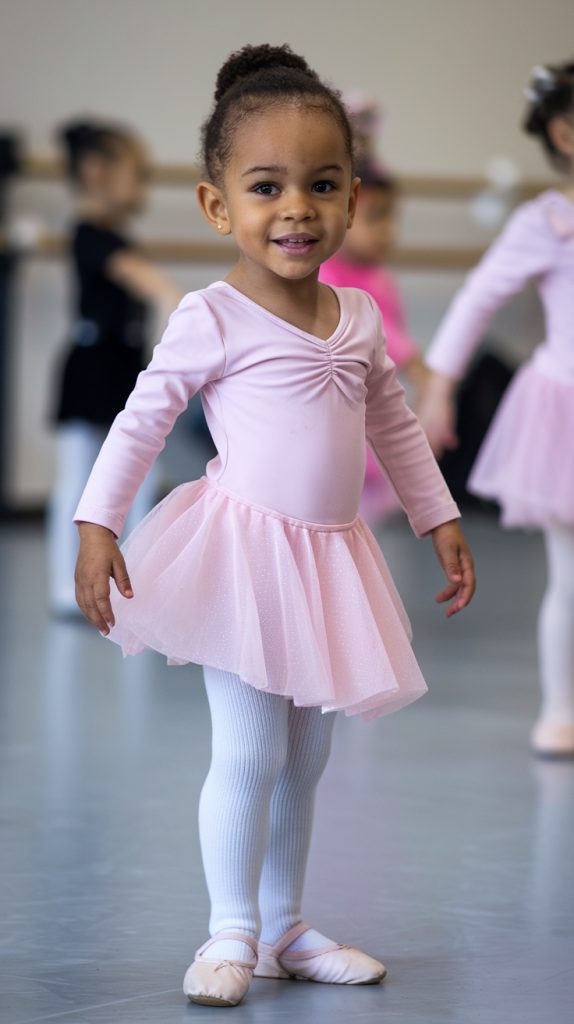
12 Incredible Benefits of Extracurricular Activities for Kids
1. Boosts Self-Confidence
When kids master new skills, they build belief in themselves. Activities like soccer, dance, or chess provide small wins that accumulate into a deep sense of capability.
Want to boost their confidence at home too? These active toys for toddlers are a great place to start.
2. Improves Social Skills
Through team sports, drama clubs, music groups, and community organizations, children practice communicating, cooperating, resolving disagreements, and working toward shared goals. These real-world social experiences help build empathy, active listening skills, and confidence when interacting with others.
Research suggests that participating in extracurricular activities is associated with stronger peer relationships and greater school connectedness—both of which contribute to children’s emotional well-being and long-term success.
3. Encourages Time Management
Juggling school, activities, and home life teaches kids how to prioritize and manage their time. These are critical executive functioning skills they’ll need as adults.
4. Provides Healthy Physical Activity
Physical extracurriculars, like swimming or martial arts, promote health and fitness. To encourage active play at home, check out these fun animal-themed games.
For backyard sports fun, a portable soccer goal set is a fantastic investment.
5. Develops Persistence and Grit
Facing challenges and setbacks teaches children that improvement takes time. Whether they’re learning a difficult piano piece, missing a goal in soccer, or struggling through a robotics competition, they discover that consistent practice leads to progress.
Over time, these experiences help develop perseverance, resilience, and a growth mindset—valuable qualities that support success in school, future careers, and everyday life.
6. Sparks Creativity
Art clubs, coding camps, and creative writing workshops allow kids to express themselves in unique ways. A great beginner art kit like this watercolor set can inspire creativity at home too!
7. Enhances Academic Performance
Research consistently shows that children who participate in quality extracurricular activities often demonstrate higher academic achievement, better school attendance, and greater engagement in learning. While extracurricular activities don’t directly cause better grades, they help strengthen executive functioning skills such as organization, time management, self-discipline, and goal setting that support classroom success.
Students who feel connected to their school through clubs, sports, music, or leadership programs are also more likely to develop a positive attitude toward learning and remain engaged throughout their education.
Research supports these positive academic associations.
8. Teaches Emotional Regulation
Extracurricular activities naturally expose children to excitement, disappointment, frustration, and pride—all in a supportive environment where they can practice managing those emotions. Learning to cope with losing a game, performing in front of an audience, or overcoming mistakes helps build emotional resilience.
With encouragement from caring adults and coaches, children gradually become better at handling challenges, bouncing back from setbacks, and expressing their feelings in healthy ways.
9. Opens Doors to Scholarships and Opportunities
Participation in sports, music, and academic clubs often leads to scholarships, leadership awards, and future career opportunities.
10. Builds Stronger Parent-Child Relationships
Cheering them on, attending recitals, or practicing together deepens bonds. Plus, sharing activities gives you natural opportunities to talk and connect.
Want to nurture sibling bonds too? Here are 10 activities to help kids become best friends.
11. Fosters Leadership Skills
Leading a group project, captaining a team, or mentoring younger kids helps develop strong leadership abilities early.
A great idea is involving your child in goal-setting activities so they learn to lead themselves first!
12. Creates a Sense of Belonging
Every child wants to feel accepted and valued. Being part of a team, club, choir, or community group gives children a place where they feel included and appreciated for their unique strengths.
That sense of belonging can improve confidence, reduce feelings of loneliness, and create friendships that extend well beyond the activity itself. Feeling connected to a positive community is one of the most meaningful long-term benefits of extracurricular activities for kids.
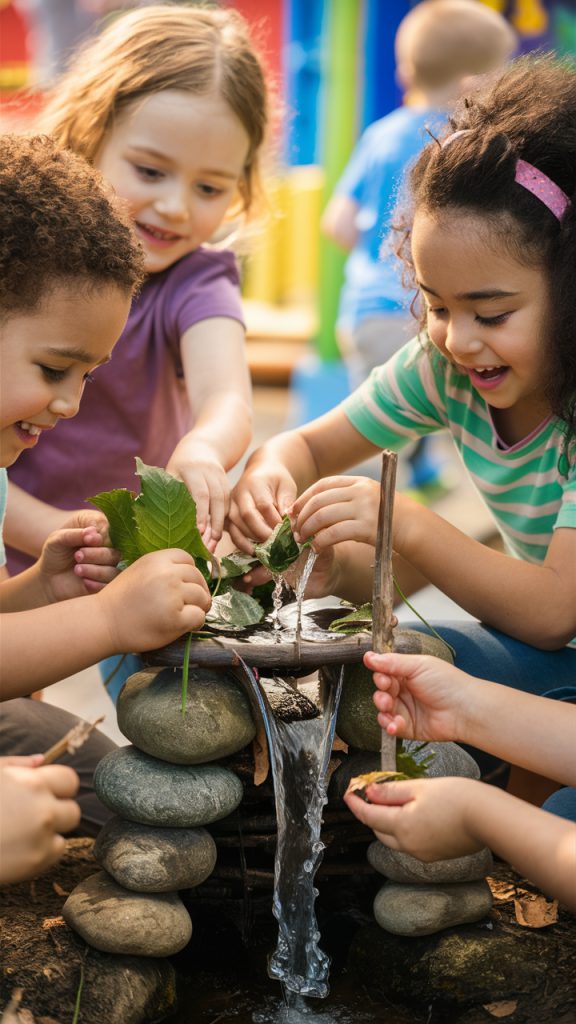
Top Extracurricular Activity Ideas
- Soccer
- Dance classes
- Art clubs
- Coding classes
- Gymnastics
- Music lessons (guitar, piano, ukulele)
- Scouts or Guides
- STEM programs
- Martial arts
Need more inspiration for STEM-loving kids? Here are super fun STEM activity ideas for toddlers.
At home, spark STEM interest with this kid-friendly microscope kit — a favorite for curious little minds!
How to Choose the Right Extracurricular Activity for Your Child
The best extracurricular activity isn’t necessarily the one that’s most popular or the one your friends recommend. It’s the one that helps your child feel engaged, challenged, and excited to learn. Use these five simple steps to narrow down your options.
1. Start With Your Child’s Interests
Pay attention to what your child naturally enjoys. Do they spend hours drawing, building with LEGO®, dancing around the living room, or kicking a soccer ball? Choosing an activity that matches their interests makes them much more likely to stay motivated.
2. Consider Their Personality
Outgoing children may thrive in team sports or theatre, while quieter kids may enjoy art classes, martial arts, music lessons, robotics, or nature clubs. There isn’t a right or wrong choice—different personalities flourish in different environments.
3. Keep Your Family Schedule Realistic
It’s tempting to sign kids up for everything, but too many activities can leave everyone feeling rushed and exhausted. One or two well-chosen activities often provide more benefits than an overloaded weekly schedule.
4. Let Them Try Before Committing
Many community centres, sports clubs, libraries, and recreation programs offer trial classes. Sampling a few activities allows your child to discover what genuinely excites them before you invest in equipment or long-term registration.
5. Focus on Growth, Not Performance
The goal isn’t to raise the next Olympic athlete or concert pianist. The greatest benefits of extracurricular activities for kids come from building confidence, learning perseverance, developing friendships, and having fun. Celebrate effort, encourage curiosity, and allow your child to explore without pressure.
Parent Tip: If your child is unsure where to start, choose one physical activity and one creative activity. After a season, talk about what they enjoyed most before signing up again.
Benefits of Extracurricular Activities by Age
The right extracurricular activity looks different at every stage of childhood. Here’s what parents can expect as kids grow and develop.
| Age | Best Types of Activities | Main Benefits |
|---|---|---|
| Ages 3–5 | Dance, swimming, music, gymnastics, play-based classes | Builds confidence, coordination, listening skills, and early social development. |
| Ages 6–9 | Team sports, Scouts, art, STEM clubs, martial arts | Develops friendships, teamwork, responsibility, and problem-solving skills. |
| Ages 10–13 | Competitive sports, coding, theatre, robotics, music | Strengthens independence, leadership, perseverance, and self-esteem. |
| Ages 14–18 | Volunteer programs, leadership clubs, advanced sports, performing arts | Prepares teens for college, careers, scholarships, and lifelong interests. |
Remember that every child develops at their own pace. The best extracurricular activity is one that matches your child’s interests, personality, and readiness—not simply their age.
FAQ: Benefits of Extracurricular Activities for Kids
How young should my child start extracurricular activities?
Most children are ready to explore simple extracurricular activities between ages 3 and 5, although readiness varies by child. At this age, look for playful, low-pressure programs that focus on fun, movement, creativity, and social interaction rather than competition or performance.
How many extracurriculars should my child participate in?
For most elementary-aged children, one or two extracurricular activities per season is plenty. Older children and teenagers may comfortably participate in two or three if they’re managing school, sleep, and family time well. If your child seems constantly tired, anxious, or no longer enjoys their activities, it may be a sign their schedule is too full.
Are there free or low-cost extracurricular activities available?
Absolutely. Community recreation centres, public libraries, schools, churches, and local non-profit organizations often offer free or low-cost extracurricular programs. Many sports organizations also provide equipment loan programs or financial assistance to help families participate.
How can I encourage my child to try new activities if they’re hesitant?
Start with trial classes or community events so there’s no pressure to commit right away. Watching a class together, talking with the instructor, and allowing your child to choose between a few options helps build excitement and confidence before they begin.
What if my child wants to quit an activity?
Wanting to quit isn’t always a bad thing. Talk with your child about why they want to stop. If they’re simply having a difficult week, encourage them to finish the current session before deciding. If the activity truly isn’t a good fit or is causing ongoing stress, it’s perfectly okay to try something different. Exploring different interests is part of helping children discover what they genuinely enjoy.
Do extracurricular activities help children make friends?
Yes. Extracurricular activities create opportunities for children to meet peers with similar interests in a structured, supportive environment. Working together toward shared goals often helps friendships develop naturally while improving communication and teamwork skills.
Can extracurricular activities reduce screen time?
They often can. Participating in sports, clubs, music lessons, art classes, or outdoor programs naturally replaces some recreational screen time with meaningful, skill-building experiences that encourage physical activity, creativity, and social interaction.
Common Mistakes Parents Make When Choosing Extracurricular Activities
Extracurricular activities should enrich your child’s life—not add unnecessary stress. Avoiding these common mistakes can help your child have a more positive experience and enjoy the long-term benefits of extracurricular activities.
1. Signing Up for Too Many Activities
It’s easy to want your child to experience everything, but an overloaded schedule can lead to burnout for both kids and parents. Leaving time for homework, family dinners, free play, and rest is just as important as structured activities.
2. Choosing an Activity Your Child Doesn’t Enjoy
Children are much more likely to stick with activities they genuinely enjoy. While it’s healthy to encourage them to try new things, forcing participation in an activity they dislike often creates frustration instead of confidence.
3. Focusing Too Much on Winning
Success isn’t measured by trophies or first-place finishes. The biggest rewards come from learning new skills, building friendships, solving problems, and developing resilience through practice and persistence.
4. Comparing Your Child to Others
Every child develops at their own pace. Comparing abilities or achievements can reduce motivation and confidence. Celebrate your child’s personal progress instead of measuring them against teammates or classmates.
5. Ignoring Signs of Burnout
If your child is constantly exhausted, anxious before practices, losing interest in activities they once loved, or struggling to keep up with schoolwork, it may be time to reduce commitments. Extracurricular activities should challenge children, but they shouldn’t leave them feeling overwhelmed every week.
6. Forgetting That Free Play Still Matters
Even the most enriching extracurricular activities shouldn’t replace unstructured play. Free time allows children to use their imagination, solve problems independently, relax, and simply enjoy being kids. A healthy balance between organized activities and downtime supports emotional well-being and healthy development.
Remember: The “best” extracurricular activity isn’t the one with the most awards or the busiest schedule—it’s the one that helps your child grow in confidence, develop new skills, build meaningful friendships, and have fun along the way.
Extracurricular activities aren’t just about keeping kids busy after school—they play a huge role in helping children build confidence, social skills, and a sense of purpose. Research shows that kids who participate in activities like sports, arts, or clubs often develop stronger academic performance, better social skills, and improved emotional well-being over time. If you’re looking to balance structured activities with everyday fun, these simple play-based activities are perfect for low-pressure engagement at home. You can also keep kids active and building confidence with these active games for kids, or support their emotional growth with these emotional regulation activities. The goal isn’t to fill every hour of your child’s schedule—it’s to help them explore their interests, build real-life skills, and find what makes them feel confident and excited to learn.
Conclusion
The greatest benefits of extracurricular activities for kids aren’t measured by trophies or medals—they’re measured by confidence, friendships, resilience, curiosity, and the life skills children develop along the way. Whether your child joins a soccer team, learns an instrument, discovers a love of painting, or attends a weekly STEM club, every new experience helps them grow.
Remember, your goal isn’t to fill every afternoon with scheduled activities. It’s to help your child discover what excites them, build healthy habits, and develop the confidence to keep trying new things throughout life.
If you’re just getting started, choose one activity that matches your child’s interests and give them the freedom to explore. You may be surprised by the passions—and strengths—they discover.
Looking for even more ways to encourage learning and confidence at home? Explore our guides on play-based learning activities, emotional regulation activities, and STEM activities for kids for simple ideas you can start today.
Download this free checklist: How to Pick the Right Extracurricular Activity for Your Child! (Perfect for helping you make a confident choice together.)
You may also love