Best Razor for Teenage Girl: A Mom’s Honest Guide to Blades, Technique, and That Awkward First Conversation
Quick Answer: The best razor for most teenage girls is a 3–5 blade cartridge razor with moisturizing strips and a pivoting head — designed to reduce nicks and adjust to curved areas like knees and ankles. Top picks include the Gillette Venus, Schick Intuition, and Billie. The right choice depends on your teen’s skin sensitivity, hair type, and comfort level.
Nobody warned me that buying a razor for my daughter would feel so loaded. It’s just a razor — a few blades on a handle — but somehow it signals something bigger. She’s growing up. She’s noticing her body. And she’s looking to you to help her handle this new territory without making it weird.
Here’s the truth: getting this right doesn’t require you to be an expert in dermatology or teenage psychology. It just requires the right information and a five-minute conversation before you hand over the blade. The razor matters — but how you introduce shaving matters just as much.
A dull blade, the wrong technique, or no prep at all is a recipe for razor burn, ingrown hairs, and a teen who swears off shaving forever after the first try. Getting it right the first time makes everything easier.
By the end of this guide, you’ll know exactly which razor fits your daughter’s needs, how to teach her proper technique, what to do when things go wrong, and — most importantly — how to have the conversation that makes this milestone feel less awkward and more like a natural part of growing up.
Heads up: This post may include affiliate links. As an Amazon Associate, I earn from qualifying purchases—at no extra cost to you. Full privacy policy and disclosure here.
Is Your Teen Ready to Shave?
There’s no universal “right age” for a teen to start shaving. Readiness is a mix of physical development, personal awareness, and emotional maturity—and every girl gets there on her own schedule. The American Academy of Dermatology emphasizes that shaving is a personal choice and recommends focusing on proper shaving techniques rather than age alone.
Physical and Emotional Signs of Readiness
Most girls begin thinking about shaving sometime during puberty, often between ages 11 and 14, although every child develops at a different pace. According to Nemours KidsHealth, the best time to start is whenever your teen feels ready—not because of outside pressure or expectations.
Physical signs that shaving might be on her radar:
- Visible leg or underarm hair that she’s mentioned or tried to hide
- Comments from peers or questions about why she doesn’t shave
- She’s started wearing long sleeves or shorts less often
- She’s directly asked you about shaving
Emotional readiness signs are just as important. She should be able to follow step-by-step instructions carefully, handle a sharp object without rushing, and understand that shaving is a maintenance habit — not a one-time event.
How to Know If Your Teen Wants to Shave vs. Feels Pressured
This is worth a gentle check-in. Some teens genuinely want to shave because it makes them feel comfortable in their own skin. Others feel pressure from peers, social media, or assumptions that shaving is required — and those are two very different motivations.
Ask her directly: “Do you want to start shaving, or do you feel like you have to?” There’s no wrong answer, but her response tells you a lot. If she’s unsure or says she feels like she has to, it’s worth a broader conversation about body autonomy before you hand her a razor. Helping girls develop a positive relationship with their changing bodies can make milestones like shaving feel empowering instead of stressful. Learn more in my guide to helping kids build body confidence.
Shaving is a personal choice—and starting that message early sets her up to make decisions about her body for the right reasons throughout her life. These confidence-building strategies for kids can also help encourage healthy self-esteem.
The Shaving Conversation Starter Kit
Most articles skip straight to razor recommendations. This one doesn’t — because the single biggest mistake parents make isn’t buying the wrong razor. It’s handing one over without a conversation first.
A brief, low-pressure conversation before the first shave changes everything. It removes the guesswork for her, reduces the chance of nicks and irritation, and tells her that you’re someone she can come to with body-related questions as she gets older.

Sometimes a few encouraging words are all your daughter needs to feel confident trying something new. These encouraging words for kids are perfect for building confidence.
Starting the Conversation (Without the Awkwardness)
You don’t need a formal sit-down. Some of the best conversations happen while driving, folding laundry, or standing in the drugstore aisle. The goal is casual, not clinical.
A few ways to open naturally:
- “Hey, I noticed you’ve been asking about shaving — want to pick out a razor together and I’ll show you what I know?”
- “I remember when I started shaving — nobody really explained it to me and I made every mistake in the book. Want me to walk you through it?”
- “Some of your friends might have already started shaving. No pressure either way, but if you’re curious, let’s talk about it.”
Remember, your role is to guide—not pressure. These gentle parenting discipline strategies can help you support your child’s growing independence.
Questions to Ask Your Teen Together
Before you buy anything, ask a few quick questions. Her answers will actually help you pick the right razor — and they make her feel like she has a say in the process.
- Where does she want to shave? Legs only? Underarms? Both? This affects which razor style works best.
- Does she have sensitive skin? Easy irritation, eczema, or frequent redness means you’ll want a more gentle option.
- Is she anxious about it? Some teens are nervous about blades. That’s completely normal — and it means an electric razor or a slower, guided first experience makes more sense.
- Does she want to do this on her own or with you there the first time? Respect her answer either way.
If your daughter feels anxious about trying something new, practicing emotional regulation skills can help her approach new experiences with confidence. Here are some simple ways to help children regulate their emotions.
Hands-On Practice: Dry Run Before the Blade
Here’s a tip most parents don’t know: let her hold the razor and go through the motions before she ever shaves. No water, no pressure, just getting comfortable with the grip, the angle, and the weight of the handle.
It sounds simple, but it genuinely reduces first-shave anxiety — especially for teens who are nervous or have never handled a razor before. A two-minute dry run on a dry arm builds more confidence than any instruction video.
Before the First Shave Checklist
- ✓ Had a low-pressure conversation about shaving — no pressure to start
- ✓ Asked about skin sensitivity and where she wants to shave
- ✓ Chose a razor together
- ✓ Picked up shaving cream or gel (not just soap)
- ✓ Picked up a gentle post-shave moisturizer
- ✓ Talked through the basic technique before the first try
- ✓ Let her do a dry run with the razor before using it with water
- ✓ Agreed on whether she wants you nearby or to try it solo
Types of Razors Explained: Cartridge, Electric, and Disposable
Walk down the shaving aisle and it’s overwhelming — there are dozens of options at every price point, and the packaging is designed for adults who already know what they want. Here’s a plain-language breakdown of what actually matters for teens.
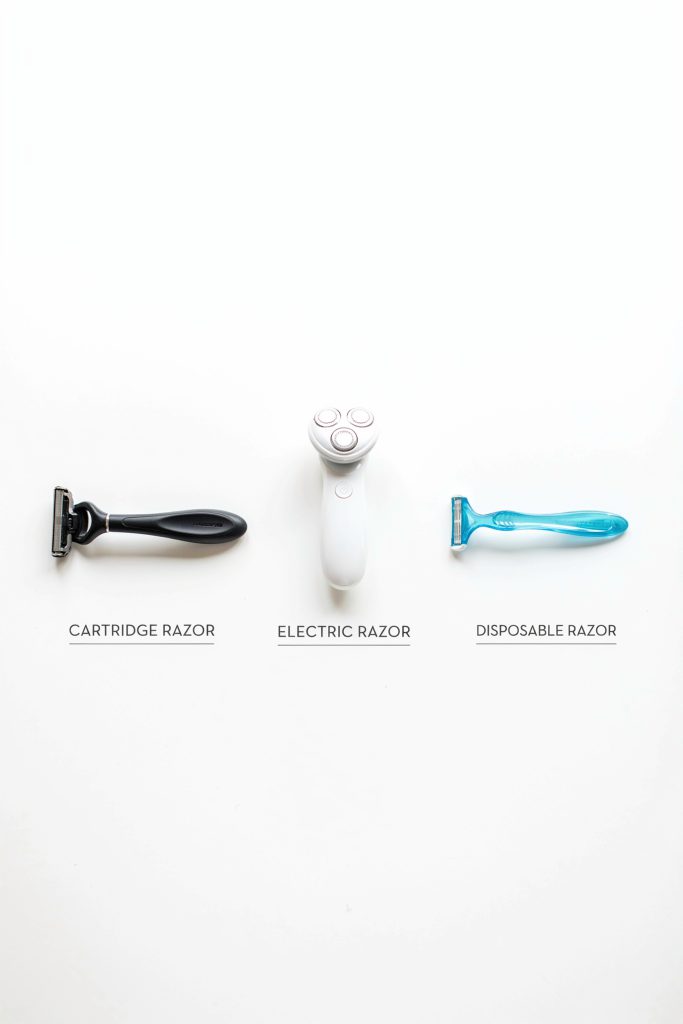
| Razor Type | Best For | Pros | Cons |
|---|---|---|---|
| Cartridge (Manual) | Most teens — versatile, easy to control | Close shave, good for legs + underarms, widely available, easy to find replacements | Blades dull after 5–10 uses; ongoing cost of replacements |
| Electric | Sensitive skin, nervous beginners | Lowest nick risk, no shaving cream needed, reusable | Less close shave, higher upfront cost, needs charging |
| Disposable | Budget-conscious or travel use | Affordable, no commitment, widely available | Fewer blades, less comfortable, more likely to cause irritation |
| Safety Razor | Not recommended for teens | Eco-friendly, cost-effective long-term | Steep learning curve, much higher nick risk — not ideal for beginners |
Cartridge Razors (Manual) — Best for Most Teens
For the majority of teen girls, a 3–5 blade cartridge razor is the right starting point. The pivoting head adjusts to curves automatically — which matters a lot when you’re learning to shave knees and ankles for the first time. Moisturizing strips help reduce drag on the skin, and the handle is designed for a secure grip even with wet hands.
The main cost is ongoing: replacement cartridges add up over time. But the shave quality and ease of use make cartridge razors the most forgiving option for a new shaver.
Electric Razors — Good for Sensitive Skin or Nervous Beginners
If your teen has very sensitive skin, skin conditions like eczema, or is genuinely anxious about sharp blades, an electric razor is worth considering. The risk of nicks is much lower, and she can shave dry without needing any prep products. The tradeoff is a less close shave and a higher upfront investment.
Electric razors designed for women, like the Philips SatinShave Essential Electric Shaver or the Panasonic Electric Shaver for Women, work well for leg and underarm use. They’re also a great option if she’s isn’t totally sure she wants to commit to shaving regularly yet.
Disposable Razors — Budget-Friendly, Not Ideal as a Primary Option
Disposable razors are fine in a pinch — travel, sleepovers, or when a cartridge runs out. For everyday use, though, they tend to have fewer blades and less ergonomic design than cartridge options, which means more pressure and a higher chance of irritation for a beginner. If cost is the main concern, look for multi-blade disposables from Schick or Gillette rather than the single-blade versions.
Why Safety Razors Aren’t Recommended for Teen Beginners
Safety razors have become popular with some adults because they create less plastic waste and can save money over time. However, they’re generally not the best choice for beginners because they require more precision and technique. For first-time shavers, the American Academy of Dermatology recommends focusing on proper shaving technique with a clean, sharp razor that’s easy to control.
Best Razors for Teenage Girls: Top Picks
These are the razors most consistently recommended by dermatologists and real parents for teen beginners — based on safety, comfort, skin sensitivity, and ease of use.
| Razor | Blades | Best For | Price Range | Why Teens Love It |
|---|---|---|---|---|
| Gillette Venus Original | 3-blade | Most teens — great all-rounder | $8–$12 starter kit | Pivoting head, widely available, gentle moisturizing strips |
| Schick Intuition | 4-blade | Beginners who want a built-in lather bar | $10–$14 | Built-in soap bar means no separate shaving cream needed |
| Billie Starter Kit | 5-blade | Sensitive skin, eco-conscious families | $9 starter + subscription | Charcoal bar built in, designed for women’s contours, very smooth |
| Flamingo Razor | 5-blade | Teens who want a fun, affordable option | $9–$11 | Colorful, lightweight, comes with a travel cover |
| BIC Soleil Sensitive | 3-blade | Budget-friendly, travel, backup use | $5–$8 for a pack | Affordable, reliable, good for starting out without a big commitment |
Best Overall: Gillette Venus or Schick Intuition
The Gillette Venus Sensitive Disposable Razors are one of the best options for teens just starting to shave. The pivoting head easily follows the curves of knees and ankles, while the three-blade design and moisturizing strips help provide a close, comfortable shave with less irritation. They’re widely available, easy to use, and a great choice for first-time shavers.
The Schick Intuition First Time Shaver Gift Pack is an excellent choice for beginners because the built-in skin-conditioning bar helps the razor glide smoothly, eliminating the need for a separate shaving cream during those first few practice sessions.
Best for Sensitive Skin: Billie or Flamingo
If your daughter’s skin reacts easily — redness, irritation, or known sensitivity — the Billie is worth the slightly higher cost. The five-blade design means less pressure needed per pass, the charcoal shave soap surrounding the blades helps the razor glide more comfortably over the skin.
The Flamingo Razor is another excellent option for beginner shavers. Its five-blade design provides a close, comfortable shave, while the ergonomic handle makes it easy to grip—even with wet hands. Many teens also like its modern design and included travel cover, making it a practical choice for home, sports, or vacations.
Best Budget Option: BIC Soleil Sensitive
If you’re looking for an affordable option, the BIC Soleil Sensitive Advanced Razors are a great place to start. They feature multiple blades and moisturizing strips for a smooth shave, making them gentle enough for beginners while still being budget-friendly. They’re also a convenient choice for travel, sleepovers, or keeping as a backup razor.
For Teens with Thicker or Darker Body Hair
If your daughter has thicker, coarser, or darker body hair — which can be related to ethnicity, hormones, or conditions like PCOS — she may need a 5-blade option right from the start. Fewer blades mean more passes, which means more friction and a higher chance of ingrown hairs. A 5-blade razor like the Billie or Venus Smooth gets the job done in fewer strokes.
Shaving Technique 101: Teaching Your Daughter to Shave Properly
This is where most parents tap out — and where most first-time shavers run into trouble. A rushed first shave without any preparation is a near-guaranteed path to nicks, razor burn, and a very unhappy teen.
The good news is that proper technique is simple once you break it down. Walk her through these steps once, and most teens can handle it independently from there.

Step 1: Pre-Shave Prep — Warm Water and Skin Softening
Dry skin and a razor are not friends. Before she shaves, let warm water run over the area for at least two to three minutes—ideally at the end of a shower. Warm water softens both the hair and skin, allowing the razor to glide more smoothly and helping reduce irritation, as recommended by the American Academy of Dermatology.
This single step prevents more irritation than any fancy razor feature. Don’t skip it.
Step 2: Apply Shaving Cream or Gel — Not Bar Soap
Bar soap doesn’t lubricate the skin the way shaving gel or cream does. It’s a common shortcut that causes razor burn almost every time. A small amount of the EOS Cashmere Skin Collection Shave Butter creates the slip the blade needs to move smoothly, helping the razor glide across the skin while reducing irritation.
If she’s using a razor with a built-in lather bar, like the Schick Intuition, she can usually skip this step because it’s designed to glide over wet skin without a separate shaving cream.
Step 3: Shave With Light Pressure in the Right Direction
Here’s the step most teens get wrong: pressing too hard. The blade does the work — she shouldn’t need to push. Light pressure with slow, short strokes is the goal.
- Legs: Shave upward (against hair growth) for a close shave. Start at the ankle and move toward the knee.
- Knees: Bend the knee slightly to flatten the skin. Use very short strokes around the kneecap — this is where most nicks happen.
- Underarms: Underarm hair grows in multiple directions, so shave in two or three directions (up, down, sideways) to catch all of it.
Remind her to rinse the blade after every two or three strokes. A clogged blade tends to tug instead of glide, increasing the chance of irritation and razor burn. The American Academy of Dermatology also recommends using a clean, sharp blade and avoiding excessive pressure while shaving.
Step 4: Rinse Thoroughly and Pat Dry
When she’s done, rinse the area with cool water — not hot. Cool water helps close the pores and reduces post-shave redness. Pat the skin dry gently with a towel. No rubbing, which can cause immediate irritation on freshly shaved skin.
Step 5: Moisturize — Every Single Time
Post-shave moisturizing is not optional. Shaving removes a thin layer of skin along with the hair, leaving skin temporarily more vulnerable to dryness and irritation. A gentle, fragrance-free body lotion applied right after drying seals in moisture and helps prevent razor burn.
Remind her: no scented products or alcohol-based toners right after shaving. They’ll sting and can cause a rash.
Teen Shaving Technique Quick-Reference Checklist
- ✓ Warmed skin with water for at least 2–3 minutes
- ✓ Applied shaving cream or gel (skip if using an all-in-one razor)
- ✓ Used light pressure — let the blade do the work
- ✓ Shaved upward on legs, multiple directions on underarms
- ✓ Rinsed blade every 2–3 strokes
- ✓ Rinsed skin with cool water after finishing
- ✓ Patted skin dry — no rubbing
- ✓ Applied fragrance-free moisturizer
Common Shaving Problems and How to Solve Them
Even with good technique, things go sideways sometimes — especially in the beginning. Here’s what to expect and how to handle it.

Razor Burn: Why It Happens and How to Treat It
Razor burn is the red, irritated, sometimes itchy rash that appears after shaving—usually from using a dull blade, shaving dry skin, or pressing too hard. The American Academy of Dermatology recommends shaving on wet skin with a sharp blade and moisturizing afterward to help reduce irritation.
To treat it:
- Apply a fragrance-free aloe vera gel or gentle cortisone cream to calm the redness
- Skip tight clothing over the affected area until it heals
- Avoid shaving that area again until it’s fully settled
To prevent it next time: fresh blade, proper prep, shaving cream, and light pressure. That combination prevents most razor burn before it starts.
Ingrown Hairs: Prevention and Relief
Ingrown hairs happen when a shaved hair curls back into the skin instead of growing outward. They’re more common in people with curly or coarse hair. The American Academy of Dermatology recommends gentle exfoliation, shaving with a sharp blade, and avoiding repeated passes over the same area to help prevent them.
Prevention tips:
- Exfoliate the skin gently once or twice a week in the shower (a soft washcloth or gentle scrub works fine)
- Use a sharp, fresh blade — dull blades pull hair rather than cut it cleanly
- Shave in the direction of hair growth if she’s prone to ingrown hairs, even if it means a less close shave
- Moisturize after every shave
If an ingrown hair does appear, resist the urge to pick at it. A warm compress for a few minutes can help bring it closer to the surface. If needed, a product like Tend Skin Solution may help reduce the appearance of razor bumps and ingrown hairs. If the area becomes infected, increasingly red, swollen, or painful, it’s best to check in with your doctor.
Nicks and Cuts: When to Worry and When Not To
Small nicks are almost inevitable for a new shaver, especially around knees and ankles. They bleed more than they should given their size — because skin there has a good blood supply — but they’re almost always minor.
First aid for a shaving nick:
- Apply gentle pressure with a clean tissue or washcloth for 30–60 seconds
- A small dab of petroleum jelly can help stop bleeding and protect the spot
- Rinse with cool water
Most nicks stop bleeding within a minute. If a cut is deeper, won’t stop bleeding after five minutes of pressure, or looks like it might need closure — that’s when you call the doctor. In three-plus years of shaving, that scenario is rare.
| Problem | Most Likely Cause | Solution |
|---|---|---|
| Razor burn (red rash) | Dull blade, no shaving cream, too much pressure | Aloe gel, fresh blade, proper prep next time |
| Ingrown hairs | Dull blade, not exfoliating, coarser hair type | Warm compress, exfoliate regularly, fresh blade |
| Nicks / cuts | Rushing, dull blade, shaving over dry skin | Pressure + petroleum jelly; slow down next time |
| Dry, itchy skin after shaving | Skipping moisturizer, hot water rinsing | Fragrance-free lotion immediately after drying |
| Irritation in underarms | Deodorant applied too soon after shaving | Wait at least 30 minutes before applying deodorant |
Frequently Asked Questions About Teen Girls Shaving
What age should a girl start shaving?
There’s no set age — most girls start showing interest between 11 and 14, but readiness depends on physical development and personal comfort, not a number. If your daughter is asking about it, that’s usually the right time to have the conversation, not necessarily to hand over a razor right away.
How do I prevent razor burn on my teen’s legs?
The most common cause of razor burn is a dull blade combined with dry skin and no shaving cream. Prevent it by making sure she warms her skin with water for 2–3 minutes before shaving, uses a fresh blade, applies proper shaving gel (not bar soap), uses light pressure, and moisturizes right after. Those five steps eliminate most razor burn before it starts.
Is it normal for a teen to get ingrown hairs from shaving?
Yes, very normal — especially early on. Ingrown hairs are more common with coarser or curlier hair, dull blades, or shaving without proper prep. They look like small red bumps and are usually harmless. Regular gentle exfoliation and keeping blades fresh prevent most of them. If they become painful or infected, see a doctor.
How often should my teen replace her razor blade?
Most dermatologists recommend replacing razor blades after about 5–7 shaves, or sooner if the blade begins to tug or feels dull. According to the American Academy of Dermatology, using a clean, sharp blade helps reduce irritation and provides a smoother shave.
Can my teen use my razor?
It’s not a good idea. Sharing razors passes bacteria between users and can lead to infections, especially if either person has a small cut or skin irritation. Even between family members, everyone should have their own blade. This is one of those small hygiene habits worth establishing early.
What if my teen has PCOS or thicker, darker body hair?
Teens with PCOS or naturally coarser hair benefit from a 5-blade razor — it cuts cleanly in fewer passes, which means less friction and a lower chance of ingrown hairs. Exfoliating regularly (2–3 times per week) is especially helpful. If she’s dealing with significant hair growth related to PCOS, a conversation with her pediatrician or a dermatologist is worth having.
Should I buy a razor subscription for my teen?
It depends on how consistently she shaves. Subscription services like Billie send fresh blades on a schedule, which is helpful for teens who forget to replace them. If she shaves regularly, a subscription can actually be more economical than buying cartridges one at a time. If her shaving is occasional, a one-time purchase works fine.
What’s the best shaving cream for sensitive teen skin?
Look for a fragrance-free, moisturizing shaving gel rather than foam. Gels like Skintimate Sensitive Skin or Eos Shave Cream work well for teens and are widely available. Fragrance is the most common ingredient that triggers skin reactions in younger users — so even if the cream smells appealing, go fragrance-free if she has any history of sensitive skin.
Is it okay if my teen doesn’t want to shave?
Absolutely. Body hair removal is a personal choice, not a requirement. If your daughter decides she doesn’t want to shave, that’s a completely valid decision. Some teens try it and stop; others never start. What matters most is that she’s making the choice for herself, not because of outside pressure.
Can a teen use an electric shaver instead of a manual razor?
Yes — and for some teens, an electric shaver is actually the smarter starting point. It significantly reduces the risk of nicks, doesn’t require shaving cream, and is easier to learn. The tradeoff is a slightly less close shave, but for a teen who’s new to this or nervous about blades, that’s a worthy tradeoff. Yes — and for some teens, an electric shaver is actually the smarter starting point. It significantly reduces the risk of nicks, doesn’t require shaving cream, and is easier to learn. The tradeoff is a slightly less close shave, but for a teen who’s new to this or nervous about blades, that’s a worthy tradeoff. Models like the Philips SatinShave Essential Electric Shaver or the Panasonic Electric Shaver for Women are excellent choices for beginners.
You’ve Got This — and So Does She
Here’s the thing nobody tells you: the razor itself is almost the least important part of this whole process. What your daughter remembers is whether you made her feel prepared, confident, and supported going into it — or left to figure it out from a YouTube video at midnight.
You don’t need to be an expert. You just need to show up, have a five-minute conversation, and buy a decent razor. The rest she’ll figure out with practice — and the occasional minor nick that she’ll handle just fine.
Save this guide for reference, share it with a friend whose daughter is at the same stage, or drop your own first-shave advice in the comments. Every mom’s experience with this milestone is a little different, and there’s no one right way to get through it.
You May Also Love
- Gentle Parenting Discipline Strategies That Actually Work
- The Secret to Building a Strong Connection With Your Tween
- 5 Great Tips to Help Kids Gain Body Confidence
- How to Help Your Shy Child Become More Confident
- Essential Tips for Boosting Positive Self-Talk in Your Child
- Encouraging Words for Kids to Build Confidence and Self-Esteem
- 5 Simple Tips for Getting Kids to Talk
- How to Be a More Present Parent