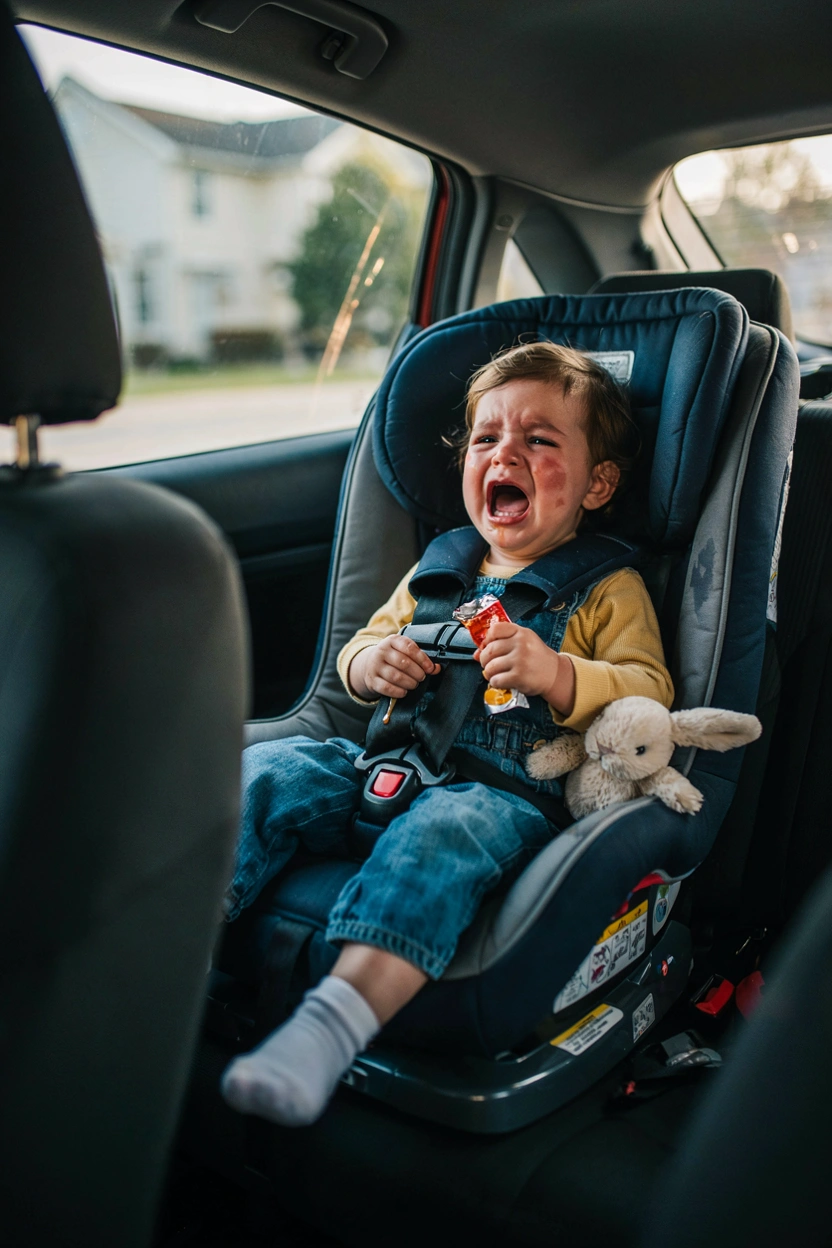
How To Handle Car Seat Tantrums Like a Pro
Quick Answer: To handle car seat tantrums, build a consistent pre-buckle routine, rule out physical discomfort (temperature, strap fit, sun glare), offer small choices to restore a sense of control, and use distraction tools like audiobooks or a special car-only toy. When a tantrum happens anyway, stay calm, keep your child safe, and avoid negotiating mid-meltdown — the goal is regulation, not elimination of big feelings.
Car seat tantrums are one of parenting’s greatest mysteries. Kids can be laughing one second and then — as soon as they see the car door open — they transform into stiff boards, floppy noodles, or full-throttle screamers. As emotionally draining as it feels, this phase is incredibly common. The good news? You can absolutely learn how to handle car seat tantrums like a pro and turn chaotic buckling sessions into calmer, more predictable moments.
And if you’re in a season of road trips, busy school mornings, or juggling multiple kids while trying to keep your sanity intact, take heart: car seat battles aren’t a sign of bad parenting. They’re simply a sign of a tiny human whose brain is still learning how to regulate. With the right strategies, supportive tools, and a whole lot of compassion — for your child and yourself — you can build smoother, safer, and far less stressful rides.
For longer drives, pairing these strategies with tools like family-friendly audiobooks or planning breaks the way you would for a road trip with a baby can make a world of difference.
Heads up: This post may include affiliate links. As an Amazon Associate, I earn from qualifying purchases—at no extra cost to you. Full privacy policy and disclosure here.

Why Kids Melt Down in the Car Seat (And Why It’s Not Personal)
Once you understand the “why,” you’re halfway to knowing how to handle car seat tantrums like a pro. A child’s brain is still under construction — literally. Their prefrontal cortex, the part that manages self-regulation and logic, is years from maturity. So when they’re tired, overstimulated, uncomfortable, or craving control, the car seat becomes the perfect stage for a meltdown.
Common triggers behind car seat tantrums:
- They feel physically trapped
- They’re hot, cold, or the straps feel wrong
- They’re overtired or hungry
- They want autonomy and buckling feels like a loss of control
- They’ve learned screaming delays departure — toddlers are brilliant like that
Physical discomfort is a big one. A poorly fitting seat can create pressure points or awkward angles, especially for tall babies. If you suspect the fit isn’t right, exploring options like the best rear-facing seats for tall babies can make rides dramatically more comfortable. And if your child has aged out of rear-facing altogether, our best car seats for 4-year-olds guide covers the next stage.
Step One — Create a Calming Ritual Before the Buckle
Transitions are tough for kids. A predictable pre-car ritual can work wonders in preventing tantrums before they even start. This doesn’t need to be elaborate; it just needs to be consistent. Think of it as a bridge that guides your child from free play into a secure, buckled space.
Try giving them a minute to hold a special fidget toy, stretch their body, or take a deep “inflate the belly like a balloon” breath. Even toddlers love rituals when they know what to expect.
You can make a simple calm-down kit to keep in your vehicle with soothing, quiet-time toys:
These tiny tools often turn resistant kids into willing participants and instantly make you feel more equipped to handle car seat tantrums like a pro.
Step Two — Fix the Physical Discomfort (Kids Are Honest Critics)
If your child arches their back or screams the moment they’re placed in the seat, discomfort may be the culprit. Kids are astonishingly good at telling us when something doesn’t feel right… they just don’t tell us with words.
Run through a quick comfort audit:
- Are the straps sitting flat?
- Are they wearing thin layers (as recommended by HealthyChildren.org)?
- Is the seat angle correct?
- Are they too hot or too cold?
Small changes like adjusting airflow or switching to breathable layers make a big impact. Some helpful comfort tools include:
Step Three — Give Choices (Because Control Matters to Kids)
Toddlers don’t tantrum because they love drama — they tantrum because they crave autonomy. When almost everything in their day is decided for them, the car seat becomes the one place they can protest loudly.
Giving tiny choices reduces emotional resistance and helps you handle car seat tantrums like a pro with less effort. Try offering:
- “Do you want to climb in by yourself or do you want my help?”
- “Do you want your audiobook or your music?”
- “Do you want the blue snack cup or the green one?”
Tiny choices = big cooperation.
Step Four — Use Distraction Like a Seasoned Parent
Distraction is not avoidance — it’s strategy. When a child’s brain gets stuck in “I don’t want to,” redirecting their attention gives their nervous system a chance to reset. Think of it as opening a new browser tab in their mind.
Some parent-tested distractions:
- A special car-only busy board
- Short audiobook chapters (here are great options) or a few episodes from our best podcasts for family road trips
- A small pouch of “mystery toys” rotated weekly, or a game from our road trip activities for kids
- A soft buckle toy to keep hands busy
- Their favorite playlist on a tiny Bluetooth speaker
When used intentionally, distraction is truly one of the easiest ways to handle car seat tantrums like a pro.
Step Five — Stay Regulated Yourself (The Secret Weapon)
Kids borrow our calm long before they borrow our logic. If you’re rushed, frustrated, or overwhelmed, your child’s nervous system picks up on it instantly. Slowing down — even for a few seconds — can shift the whole moment.
Try this simple grounding script:
“You’re having a hard time getting buckled, and I’m right here. We’re going to do this together.”
Small reassurances delivered in a steady tone can soften even the fiercest meltdown, helping you genuinely handle car seat tantrums like a pro.
Step Six — When the Tantrum Happens Anyway
Even with every strategy in place, tantrums will still happen. This isn’t failure — it’s childhood. Your job isn’t to eliminate strong feelings; it’s to stay safe, steady, and consistent until the wave passes.
- Ensure your child is physically safe
- Stay calm and unhurried
- Don’t negotiate in the peak of a meltdown
- Use simple, validating language
- Follow through with the buckle once they begin to settle
You’re not “rewarding bad behavior.” You’re helping a tiny human regulate their nervous system.
Step Seven — Prepare for Long Road Trips Like a Pro
Everything becomes harder when you’re hours from home, which is why long drives require extra strategy. A well-prepped car makes it significantly easier to handle car seat tantrums like a pro when the boredom, hunger, or wiggles hit.
- Plan breaks every 1.5–2 hours
- Offer snacks that don’t explode into crumbs
- Dress your child in comfy layers
- Pre-download shows or playlists
- Use organizers to keep essentials within reach
Road trip essentials worth keeping on hand:
For more long-drive help, check out the road trip planning guide for families if you’re traveling with a baby, or the ultimate guide to a successful road trip with kids if you’re past the infant stage.
When to Worry: Red Flags Worth Discussing With a Pediatrician
Car seat tantrums are normal, but certain signs may indicate discomfort, sensory challenges, or motion sickness. If your child seems unusually distressed every single ride, brings up pain, or vomits frequently in the car, talk with your pediatrician. Resources like the Children’s Hospital of Philadelphia and HealthyChildren.org offer clear guidance on safety and developmental concerns.
Real Parent Stories: Tiny Wins That Change Everything
One mom shared that her toddler’s daily car seat meltdown disappeared once she let him choose a “special ride buddy” plush toy each morning. Another found that adding a simple window shade stopped 90% of her baby’s crying because the sun glare had been the culprit all along.
These wins aren’t magic — they’re the result of slowing down, tuning in, and truly learning how to handle car seat tantrums like a pro.
Final Thoughts — You’ve Got This
Car seat tantrums aren’t forever. They’re a season — a loud, exhausting, emotionally-charged season — but still a season. With consistent routines, comfort-focused adjustments, emotional attunement, and the right tools, you’ll soon feel confident in how to handle car seat tantrums like a pro instead of bracing for battle every time you open the car door.
Calmer rides are possible. Truly.
FAQ
How do I stay calm during a car seat tantrum?
Take a breath, slow your movements, and speak in short, soothing sentences. Your child’s nervous system cues from yours, so staying grounded is often the quickest way to help the moment pass.
Is it okay to let my child cry in the car seat?
Crying isn’t harmful as long as your child is safely buckled, regulated as best as possible, and you’re checking in calmly. If crying escalates to distress, pause before driving to comfort them.
What if nothing works and we’re running late?
Kids often sense urgency and push back harder. Build extra time into your routine when possible. If a meltdown happens, focus on safety first, calm second — the schedule will catch up.
How do I manage car seat tantrums with multiple kids?
Prep the oldest ones first, give small “helper jobs,” and start buckling from the calmest child to the most upset. This keeps the car energy manageable for everyone.
Do toys actually help reduce tantrums?
Yes — especially novelty toys reserved just for car rides. Busy boards, soft buckle toys, and sensory items can shift attention long enough to get buckled without a fight.
When should I adjust or replace the car seat?
If straps are too tight, the shell is too narrow, or your child reaches height or weight limits, it’s time for a new fit. A well-fitting seat makes it dramatically easier to handle car seat tantrums like a pro.
Can motion sickness cause tantrums?
Absolutely. Symptoms like gagging, sweating, or pale skin can signal nausea. Using window shades, airflow, or pediatrician-approved remedies can offer relief.
My child suddenly refuses the car seat after months — why?
Kids hit developmental leaps that change their tolerance for confinement. It’s normal and usually temporary. Return to your calming ritual and offer choices to rebuild cooperation.
If you found these strategies helpful, save this guide to Pinterest so you can return to it during the next chaotic school morning, road trip, or toddler growth spurt that throws everything off. Calmer car rides really are possible — and you’re already on your way.