
35 Easy Gratitude Questions for Kids to Inspire Thankfulness Daily
As parents, we want our kids to grow up happy, kind, and emotionally strong. One of the simplest—and most powerful—ways to foster this is by teaching gratitude. And no, you don’t need long lectures or formal lessons. You just need the right questions.
In this post, you’ll find 35 gratitude questions for kids that help them pause, reflect, and appreciate the good in their lives. Whether you use them during dinner, car rides, or bedtime, these prompts can spark heartwarming conversations and teach lifelong skills.
Let’s dive into why gratitude matters, how to make it part of your daily routine, and how to guide even reluctant kids toward a more thankful mindset.
Heads up: This post may include affiliate links. As an Amazon Associate, I earn from qualifying purchases—at no extra cost to you. Full privacy policy and disclosure here.
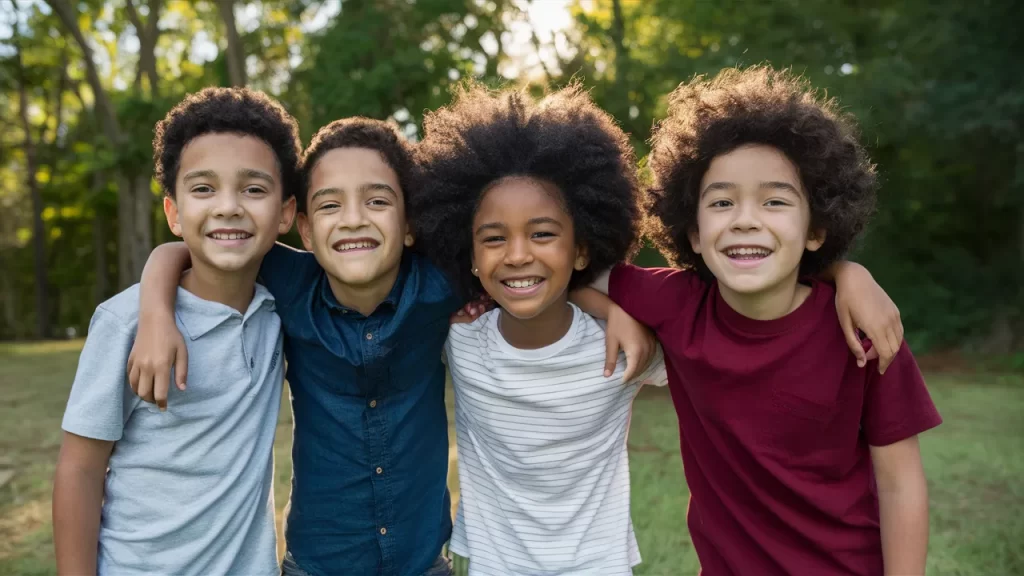
Why Gratitude Questions for Kids Matter
Gratitude isn’t just about saying “thank you.” It’s about recognizing what’s good, even on hard days.
Research from the Greater Good Science Center shows that practicing gratitude can lead to:
- Better sleep
- Improved empathy
- Reduced aggression
- Increased resilience
And the best part? It doesn’t require any special tools. You just need consistent prompts to help your child tune into what they appreciate.
When and How to Use Gratitude Questions
These gratitude questions for kids can be used:
- During dinner as conversation starters
- In the classroom as writing prompts
- Before bed to end the day with reflection
- In gratitude journals or morning routine charts
Tip: Keep a little notebook where your child can write or draw answers. This builds a gratitude habit AND doubles as a keepsake.
You can even turn it into a family ritual—everyone answers one gratitude question each night.
35 Gratitude Questions for Kids
Here’s a list of engaging and open-ended prompts that work for kids aged 3–12.
- What’s one thing you hope to always remember
- What made you smile today
- Who is someone you’re really thankful for
- What’s your favorite thing about your home
- What’s a toy you’re really glad you have
- What’s something nice someone did for you today
- What’s your favorite thing to do with your family
- What’s one thing you love about school
- Who made you laugh this week
- What’s a book or show you’re grateful for
- What’s something in nature you enjoy
- What food makes you feel happy
- What’s a small thing that makes you feel cozy or safe
- What’s a memory that makes you smile
- What’s something new you learned recently
- What’s something kind you did today
- What’s something you’re really good at
- Who helped you today
- What’s something you’re excited about
- What’s something that smells really good to you
- What’s a color that makes you happy
- What song always makes you want to dance
- What’s a gift you’ve loved receiving
- What’s a gift you’ve loved giving
- What’s something you love about being YOU
- What’s something you used to find hard but is easier now
- What do you love about your room
- What’s something that helps you calm down when you’re upset
- What’s a place you love visiting
- What’s something silly that always makes you laugh
- What’s a tradition you love
- What’s something you’re proud of today
- What’s a skill or talent someone in your family has
- What’s something fun you’ve done recently
- What do you like most about your friends

How to Get Kids Interested in Gratitude (Even If They Roll Their Eyes)
Let’s be real—some kids resist “deep” conversations. If your child gives one-word answers or groans at anything remotely emotional, try these strategies:
- Start with silly or fun prompts first (“What’s your favorite snack?”)
- Model gratitude yourself—talk out loud about things you’re thankful for
- Use a visual aid like a Gratitude Journal for Kids (see on Amazon)
- Make it part of your bedtime routine (ask 1–2 questions before stories)
Need help with mindset? These Positive Words of Affirmation for Children pair beautifully with gratitude practices.
Recommended Tools for Practicing Gratitude with Kids
Here are some great Amazon finds that make practicing gratitude more fun and consistent:
1. Gratitude Journal for Kids
Perfect for ages 5–10. It includes prompts, space to doodle, and mood trackers.
2. The 3-Minute Gratitude Journal
Simple and fast. Great for kids who lose interest quickly.
3. Mindfulness Cards for Kids
Includes gratitude prompts, breathing exercises, and emotional regulation tools.
4. Today I Am Grateful Dry Erase Chart
Stick it on the fridge! An easy way to make gratitude visible every day.
5. Positive Affirmation Cards for Kids
Pairs beautifully with gratitude prompts. Build confidence + appreciation together.
What If My Kid Seems Ungrateful?
If you’re struggling with complaints, entitlement, or the “I want more” attitude, don’t panic. That’s normal. But it also means it’s time to shift the mindset gently.
Check out this guide: How to Deal With Ungrateful Kids – 5 Brilliant Strategies That Work
One of the most effective tools? Routine gratitude questions—especially when paired with firm but kind parenting, like the tools offered in the Positive Parenting Solutions course.

FAQs About Gratitude Questions for Kids
1. What age should I start asking gratitude questions?
You can start as early as age 3. Even toddlers can name favorite toys or people!
2. How often should we use these questions?
Try one question a day. Make it part of your routine—like brushing teeth or bedtime stories.
3. What if my child doesn’t answer deeply?
That’s okay. Keep it light. Let them lead the conversation, and don’t force it.
4. Can these be used in classrooms?
Absolutely! Teachers use gratitude questions as journaling prompts, morning meetings, and class discussions to build emotional intelligence.
5. Do gratitude practices really change behavior?
Yes—over time. Gratitude helps rewire the brain to notice the positive, which can reduce tantrums, whining, and even anxiety.
Bonus: Create a Gratitude Challenge at Home
Here’s how to make a 30-day gratitude challenge with your kids:
- Print a blank calendar
- Choose one question per day from this list
- Decorate each day with stickers or drawings after it’s completed
- Reward consistency with a special family night or extra story time!
Want a printable version of the prompts? Stay tuned—I’m working on a free download checklist for you!
Gratitude questions might seem simple, but they can have a powerful impact on how kids think, feel, and connect with others. Research shows that practicing gratitude can increase happiness, reduce anxiety, and help kids build stronger relationships and emotional resilience over time.
Asking thoughtful questions like these creates space for meaningful conversations that help kids reflect, express themselves, and feel more connected to their family. If you want to keep those conversations going, these father and teen bonding activities are a great way to build connection through shared experiences, while these dad and daughter outing ideas help turn everyday moments into something memorable.
For special occasions, you might also love these Father’s Day celebration ideas or these family New Year’s resolution ideas to keep gratitude and connection part of your routine all year long. The most meaningful moments don’t come from big plans—they come from simple conversations that help your kids feel heard, appreciated, and understood.
More Ways to Encourage Meaningful Conversations with Kids
If you’re trying to get your kids talking more openly, adding simple connection moments into your routine can make a big difference. You can spark deeper conversations during everyday time together with these family fun night ideas or strengthen relationships through shared experiences like these dad and daughter bonding activities. For younger kids, using playful prompts like imagination games or guided sharing activities can help them express thoughts and feelings more easily. You can also build emotional awareness over time with activities like art for emotional expression or support those bigger conversations with practical tips on how to calm an emotional child when feelings start to take over.
Final Thoughts
Raising thankful kids doesn’t require perfection—it requires repetition. These gratitude questions for kids are a gentle way to teach values, build emotional intelligence, and deepen your connection as a family.
Start small. Pick one question tonight. Then again tomorrow. You’ll be surprised how much kids begin to notice, appreciate, and reflect on the good things in their lives.
Bonus tip: If your child struggles with saying “I can’t,” check out these 8 Easy Ways to Battle the ‘I Can’t Do It’ Attitude. Gratitude builds confidence too.


