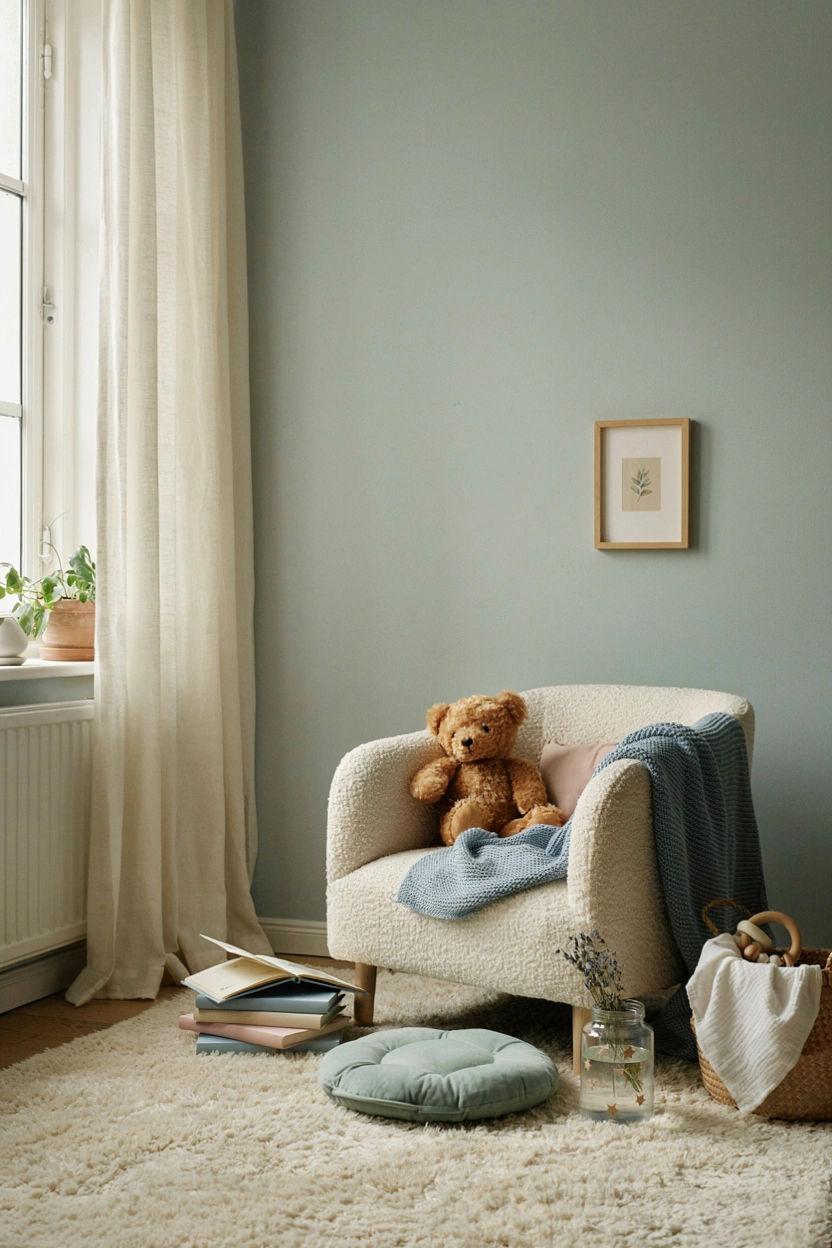
How to Calm an Emotional 6 Year Old
Have you ever found yourself whisper-yelling, “Just calm down!” while your 6-year-old is mid-meltdown? You’re not alone.
By age 6, kids are no longer toddlers, but they’re still a long way from mastering emotional self-control.
They might burst into tears over “wrong socks,” sibling drama, or even a rough day at school — not because they’re trying to misbehave, but because they feel deeply and haven’t fully developed the tools to cope.
Practicing how to calm an emotional 6 year old also helps build your own emotional regulation skills as a parent.
This article will walk you through practical, age-appropriate ways to calm an emotional 6 year old, while supporting their long-term emotional growth.
Why 6-Year-Olds Get So Emotional
At this age, your child is:
- Navigating social dynamics at school.
- Dealing with performance expectations.
- Highly sensitive to fairness, tone of voice, and perceived rejection.
- Craving autonomy, but still dependent for emotional support.
Even small setbacks can feel huge to them. Understanding this stage helps us show up with empathy rather than frustration.
One of the best-kept secrets in parenting is knowing how to calm an emotional 6 year old without escalating the situation.
Step One: Regulate Yourself First
Your calm is contagious. In fact, emotional co-regulation is one of the most powerful parenting tools available.
Read next: 15 Practical Tools to Stay Calm (No Yelling Parenting Toolbox)
Before responding to your child, ask:
- Am I breathing deeply
- Is my body relaxed
- Can I use a soft tone of voice
Sometimes, just taking 10 seconds to ground yourself can shift the entire dynamic.
7 Gentle Ways to Calm an Emotional 6 Year Old
1. Offer Physical Proximity and Safety
Your child may lash out, cry, or shut down. Don’t rush them. Sit nearby. Offer a blanket, a hug, or just your quiet presence.
This shows: “Your feelings aren’t too much for me.”
2. Use Empathic Validation
Try simple phrases like:
- “That was really hard for you.”
- “It makes sense you’re upset.”
Validation tells their nervous system: “You’re safe. I see you.”
When you’re practicing how to calm an emotional 6 year old, consistency is more important than perfection.
3. Offer Choice and Control
Many emotional blowups are rooted in a loss of perceived control. Rebuilding that sense of autonomy can calm the storm.
Use “Would you rather” options:
- “Would you rather calm down with Legos or your calm jar?”
- “Want to sit in the cozy corner or take a walk around the house?”
If you don’t have a calming space yet, try building one! Add sensory toys, soft lighting, and fidget-friendly items.
4. Incorporate Movement or Sensory Activities
Physical regulation supports emotional regulation. Movement can help “shake out” big feelings.
Ideas that work:
- Trampoline or jumping jacks
- Carrying something heavy
- Swinging or rocking
Need more ideas? Check out these hobbies for kids that naturally promote emotional balance.
Learning how to calm an emotional 6 year old starts with understanding what triggers their big reactions.
Books and games about feelings can be great tools if you’re working on how to calm an emotional 6 year old through play.
5. Teach and Model Breathing Techniques
You don’t need fancy tools—just simple, playful breaths. Try:
- Smell the flower, blow the candle
- Box breathing with finger tracing
- Bubble breathing with real or imaginary bubbles
Model it, do it together, and name the skill:
“This is how we calm our bodies when our feelings are too big.”
6. Name Feelings and Build Emotional Vocabulary
Once your child is calm, help them name the emotion.
Not: “You were being ridiculous.”
But: “That looked like frustration when your tower fell.”
Over time, this builds self-awareness and resilience.
Tip: Books are great for this! See our list of the best parenting books for emotional growth.
Not every parent knows how to calm an emotional 6 year old, but that’s okay—gentle parenting is a learning process too.
7. Reflect and Reconnect Later
After the storm, connect:
- “What helped you feel better?”
- “What can we try next time?”
Avoid lectures or punishment. Focus on problem-solving together — this builds trust and emotional safety.
When Emotions Feel Too Big for You, Too
Let’s be honest—parenting an emotional child can leave you feeling emotionally fried. Especially if you’re running on little sleep, no time for yourself, and zero patience.
If this resonates, here’s what you need next:
You’re not failing — you’re human. Emotional parenting starts with self-compassion.
The more confident you feel in how to calm an emotional 6 year old, the calmer your home life will become.
Emotional Learning Tools
- The Feelings Book by Todd Parr – A book that helps children understand their emotions.
- Mood Flipbook for Kids – A visual tool to help kids express and understand their emotions.
- Mindfulness Cards for Kids – Fun activities to help children practice mindfulness.
- GoNoodle – Movement and mindfulness videos for kids.
- Cosmic Kids Yoga – Fun yoga and mindfulness activities for children.
Understanding Emotional Outbursts in 6-Year-Olds
At age 6, kids are in a transitional phase — not quite little, not quite big. Their brains are still learning to connect emotion with logic, and sometimes their feelings erupt faster than they can express them.
Common triggers include:
- Transitions (leaving the park, ending screen time)
- Sensory overload (loud environments, scratchy clothes)
- Perceived injustice (“That’s not fair!”)
- Fatigue and hunger (when HALT kicks in — Hungry, Angry, Lonely, Tired)
Recognizing the why behind a meltdown helps you respond with empathy instead of punishment — and that’s a key part of learning how to calm an emotional 6 year old.
How to Use Calming Phrases Effectively
Phrases like “I’m here for you” or “It’s okay to cry” sound simple, but the magic is in how and when you say them. Timing and delivery matter just as much as the words.
Tips to get the most out of these calming phrases:
- Lower your voice to create a calm atmosphere.
- Match your child’s energy gently downward to help co-regulate.
- Make eye-level contact, but only if they’re open to it.
- Use a warm tone, like you would when comforting a friend.
- Repeat the same phrase if they don’t respond right away — it builds trust.
And remember: these aren’t “fix-it” phrases. They’re connection bridges. You’re not trying to stop the crying — you’re creating space for the feelings to move through safely.
When to Seek Extra Support
If emotional meltdowns feel extreme or happen very frequently, it’s okay to reach out for help. You’re not overreacting by trusting your gut.
Consider professional guidance if your child:
- Hurts themselves or others during emotional outbursts
- Struggles with school, friendships, or daily routines due to emotions
- Can’t calm down after 30+ minutes, even with support
- Shows signs of anxiety or withdrawal beyond typical ups and downs
You might explore support from:
- Child therapists specializing in emotional regulation
- Pediatricians who understand developmental mental health
- Parenting coaches or local early intervention resources
And while you’re learning how to calm an emotional 6 year old, give yourself permission to be a work in progress, too.
More Tools to Help Your Child Calm Down and Feel Safe
Helping your child manage big emotions takes time, and having a few go-to strategies can make those moments feel more manageable. You can add extra support with comforting tools like weighted cuddle buddies for self-regulation, which can help kids feel grounded during overwhelming moments. For specific triggers, preparing ahead—like using strategies from this guide on haircut anxiety in kids—can reduce stress before it starts. Gentle activities like calming yoga for kids can also help regulate emotions and create a sense of routine. Over time, combining these approaches helps children build the skills they need to calm themselves and feel more in control.
FAQ: How to Calm an Emotional 6 Year Old
What causes emotional outbursts in 6 year olds?
Developmental changes, sensitive nervous systems, and limited coping skills. They need support—not discipline—to navigate intense feelings.
How should I respond when my child screams or cries uncontrollably?
Stay calm, stay close, and wait. Offer quiet presence, validation, and connection before trying to problem-solve.
Are these techniques different from toddler tantrum strategies?
Yes. At this age, kids can start reflecting and learning from experiences. Use emotional coaching instead of distraction or redirection.
What if I don’t handle it well in the moment?
Repair afterward. Say: “I got overwhelmed too. I’ll try to stay calm next time. Let’s figure this out together.”
How do you calm a highly emotional 6 year old?
Use physical proximity, empathic validation, sensory activities, and breathing techniques to support emotional regulation gently.
Is it normal for a 6 year old to have big emotional outbursts?
Yes! At age 6, kids are still learning to manage their emotions. Outbursts are often linked to fatigue, frustration, or social stress.
What is the best calming strategy for young children?
Physical reassurance (hugs, blankets) combined with empathic words (“It’s okay to feel upset”) usually work best.
Should you discipline a 6 year old for emotional meltdowns?
No. Emotional outbursts are developmental. Focus on co-regulation and teaching emotional literacy instead of punishment.
How can I teach my 6 year old to calm themselves down?
Model calming behaviors, practice simple breathing exercises, and create a calm-down toolkit they can access independently.
Final Thoughts: Gentle Is Powerful
Knowing how to calm an emotional 6 year old isn’t about being perfect. It’s about being present, patient, and proactive.
With consistency and compassion, you’re not just calming the moment — you’re building emotional intelligence for life.
Want the printable list of calming phrases and more connection-based tools? Pin this post for later!
Many parents struggle with how to calm an emotional 6 year old in public places like grocery stores or playgrounds.