Frustration Tolerance Activities for Kids: 22 Powerful Ways to Build Emotional Strength
Frustration is a normal part of childhood—but it doesn’t have to lead to meltdowns. Teaching your child how to tolerate frustration gives them tools to cope with life’s big emotions, from losing a game to struggling with schoolwork.
In this post, you’ll find 22 frustration tolerance activities for kids that are practical, engaging, and rooted in positive parenting strategies. These tools help your child build emotional resilience, communicate better, and bounce back from setbacks with confidence.
Let’s dive into how to teach these life-changing skills—starting with understanding why frustration tolerance matters so much in the first place.
Heads up: This post may include affiliate links. As an Amazon Associate, I earn from qualifying purchases—at no extra cost to you. Full privacy policy and disclosure here.
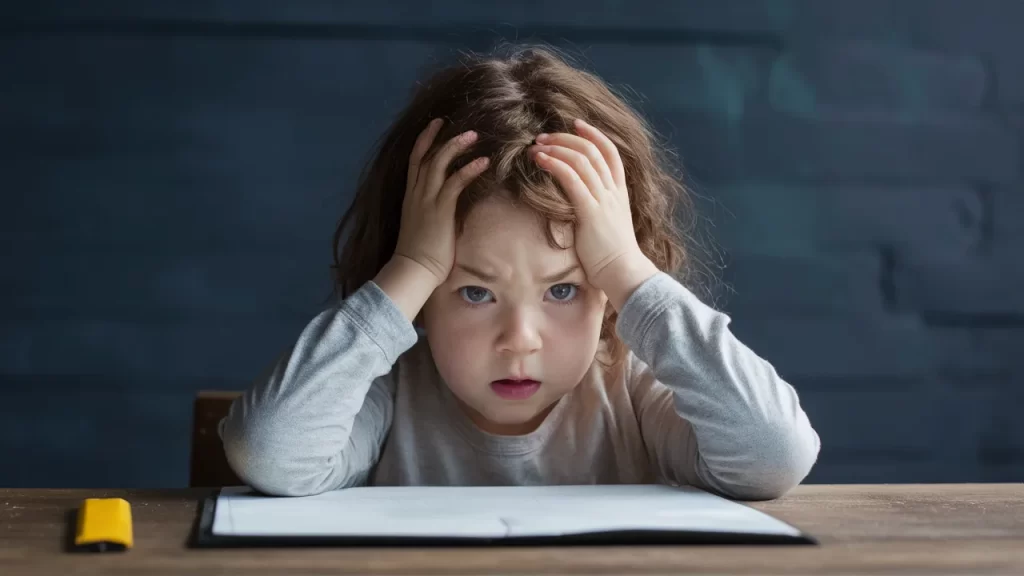
What Is Frustration Tolerance?
Frustration tolerance is a child’s ability to manage disappointment, delays, or failure without becoming overwhelmed. A child with strong frustration tolerance can stay calm when a block tower falls, a toy doesn’t work, or a sibling takes the last cookie.
Low frustration tolerance often looks like:
- Whining or yelling when things go wrong
- Giving up quickly when challenged
- Saying things like “I can’t!” or “It’s not fair!”
Helping your child build this skill is one of the best emotional tools you can give them—and it starts with simple, playful daily habits.
Why It’s Important to Teach Frustration Tolerance
Kids aren’t born knowing how to cope with big feelings. They need support, guidance, and practice.
When children learn frustration tolerance, they:
- Build confidence and independence
- Develop problem-solving skills
- Handle change and setbacks with less anxiety
- Communicate their needs more calmly
It also makes parenting easier. You’ll spend less time managing outbursts and more time enjoying connection. Related read: Why It’s Important to Stay a Playful Mom
Frustration Tolerance Activities: Fun and Effective
To help your child develop frustration management skills, incorporate fun activities into their daily routine.
Board games and card games provide excellent opportunities for children to practice patience, turn-taking, and social skills.
Additionally, activities such as body mapping, where children identify and label their emotions on a body outline, help them recognize and express their feelings in a healthy way.
Top 22 Frustration Tolerance Activities for Kids
All of these frustration tolerance activities for kids are screen-free and can be adapted for toddlers to tweens.
Each of the following activities is fun, simple, and designed to build your child’s resilience muscles.
1. Blow Bubbles Together
Bubble blowing encourages deep breathing, which calms the nervous system. When frustration hits, say: “Let’s take three bubble breaths.”
Try this: Gazillion Bubble Hurricane Machine — endless bubbles with less mess.
2. Play Freeze Dance
Start and stop music randomly, encouraging your child to handle the “stop” moments with silliness instead of whining.
Helps build emotional flexibility and self-control.
3. Emotion Sorting Game
Print out or draw faces showing various emotions. Let your child sort them and talk about what might cause each feeling.
Recommended: Emotions Flash Cards for Kids
4. Jigsaw Puzzles
Start with simple ones and slowly increase difficulty. Stay present to model calm reactions when pieces don’t fit.
This boosts persistence and problem-solving.
If you’re looking for hands-on frustration tolerance activities for kids, try combining calm-down strategies with movement play.
5. Obstacle Course Challenge
Design a simple indoor or backyard obstacle course. Cheer them on—even if they “fail” a step—and praise effort over outcome.
6. Frustration Journal
For older kids, journaling about tough moments helps process emotion and recognize progress.
Try this: My Big Feelings Journal
7. DIY Calm-Down Jar
Fill a bottle with water, glitter glue, and sparkles. Let your child shake and watch as a calming routine.
Activity tip: Let them choose colors to personalize it.
8. Play “The Floor is Lava”
This game teaches flexibility and creative thinking under pressure. Don’t forget to giggle when you “fall!”
One of the most powerful frustration tolerance activities for kids is role-playing tricky situations with dolls or LEGO.
9. Build with Blocks or LEGO
Challenge your child to build tall structures. If it falls—celebrate the attempt and try again together.
Recommended: LEGO Classic Creative Bricks Set
10. Practice “Try Again” Phrases
Teach scripts like:
- “I can figure this out.”
- “It’s okay to be frustrated.”
- “I’ll try another way.”
Repeat during calm times to reinforce them.
Teachers and counselors often recommend these frustration tolerance activities for kids to improve emotional regulation in school settings.
11. Read Books About Feelings
Books are a gentle way to explore frustration and how characters cope with it.
Top pick: “When Sophie Gets Angry—Really, Really Angry…”
12. Emotion Dice Game
Create dice with feelings on each side. Roll and act it out or share a memory that relates.
Great for building emotional vocabulary!
Even simple daily tasks, like waiting for a turn, can become teachable moments with these frustration tolerance activities for kids.
13. Encourage Free Play
Unstructured play gives kids a chance to face small frustrations in a safe way. Boredom or blockades become opportunities to problem-solve.
If you struggle with mixed messages in discipline, read: How Mixed Messages Confuse Kids
14. Watch Educational Documentaries
Watch short science or nature shows and pause when something unexpected happens. Ask: “What do you think the person/animal felt? What would you do?”
✨ Great conversation starters: Best Educational Documentaries for Kids
15. Frustration Charades
Take turns acting out frustrating moments—like spilling cereal or losing a toy—then show a solution.
Turn it into a guessing game for laughs and learning.
16. Quiet Time Practice
Create a daily “quiet zone” with pillows, books, and soft music to reset emotions.
Optional add-on: Noise-Reducing Headphones for Kids
17. Play Cooperative Board Games
Games like “Outfoxed” or “Hoot Owl Hoot” help kids practice teamwork and accepting small setbacks.
18. Guided Meditations for Kids
Use free audio apps or YouTube to guide your child through short breathing or visualization exercises.
External tip: CHC’s Resource on Teaching Frustration Tolerance
19. Pretend Play Problem Solving
Use dolls, action figures, or LEGO to act out scenes like someone not getting a turn. Pause and ask: “What could they say or do next?”
20. Teach Toddlers Patience
Start early! Even toddlers can learn waiting games like “1-2-3 statue” or taking turns with a timer.
Explore more in: How to Teach Your Toddler Patience
21. Create a “Frustration Plan”
Work together to draw or list steps for what to do when things feel hard:
- Take a breath
- Use a calm-down space
- Ask for help
- Try again
22. Celebrate Small Wins
Reinforce progress by saying things like:
- “You stayed calm when that didn’t work out!”
- “I noticed you tried again even though it was hard.”
Encouragement is a powerful motivator. Related read: How to Encourage Quiet Kids to Open Up
More Activities That Build Patience, Resilience, and Self-Control
Helping kids work through frustration takes practice, and combining playful activities with simple coping tools can make it feel more natural. You can support emotional awareness with hands-on options like art activities for emotional expression or give kids a calming outlet with these nighttime yoga poses for kids. For younger children, practicing turn-taking and communication through sharing activities or simple problem-solving activities can help build patience over time. You can also mix in playful learning through imagination games, which give kids a safe way to work through challenges and emotions. And when frustration starts to take over, having practical strategies like ways to calm an emotional child can help them reset and try again.
FAQ: Frustration Tolerance in Kids
What causes low frustration tolerance in kids?
It’s often a mix of personality, developmental stage, and environment. Some kids feel things more intensely or haven’t yet learned how to handle discomfort calmly. These frustration tolerance activities for kids help reduce anxiety, improve communication, and build lifelong coping skills.
How do I know if my child is improving?
Look for small changes: fewer outbursts, quicker recovery, or asking for help instead of melting down.
How often should we practice these activities?
Consistency is key. Pick 2–3 activities to use weekly and rotate them to keep things fun and engaging.
Can these activities help children with anxiety or ADHD?
Absolutely. Many of these techniques are also used in therapeutic settings to build emotional regulation skills.
Want research-backed tools? See Pearson’s take on teaching frustration tolerance
Ice painting is one of those simple activities that feels like magic to toddlers—but it’s also doing a lot more than just keeping them busy. Sensory play like this helps support cognitive development, fine motor skills, and emotional regulation by engaging multiple senses at once and encouraging exploration and creativity :contentReference[oaicite:0]{index=0}. If you’re looking for more easy, low-prep ideas, these simple play-based activities are perfect for filling your day without a lot of setup. You can also balance out quiet sensory time with movement using these active games for kids, or plan something fun for groups with this ultimate kids activity guide. And for those moments when your toddler gets overwhelmed (because winter days can feel long), these emotional regulation activities can help bring things back to calm. The best part? Activities like this are easy to repeat, adapt, and turn into a simple daily routine that actually works.
Final Thoughts: A Little Patience Goes a Long Way
Frustration is part of life—but with practice, kids can learn to face challenges with calm and confidence.
Use these frustration tolerance activities for kids as a daily toolkit. Encourage effort, praise progress, and model your own frustration strategies when things don’t go as planned.
Need help staying calm yourself? Don’t forget: parenting is a journey too. You’ve got this.
Save This for Later
Looking for a printable version of these activities + a “Frustration Plan” your child can color and use? Grab the free download here.